Jerry Jordan
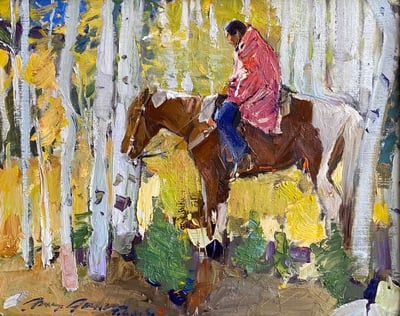
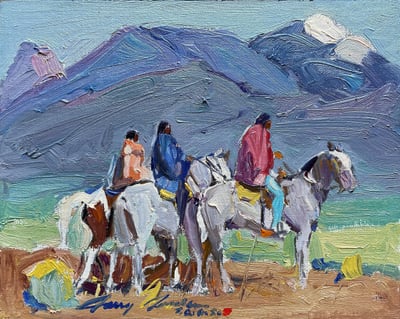
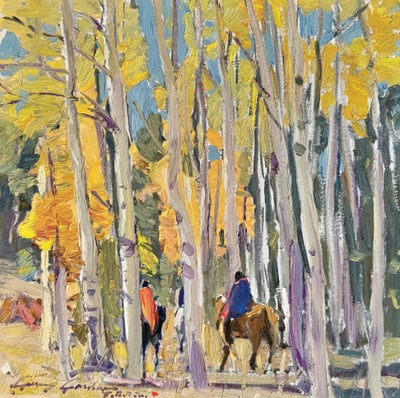
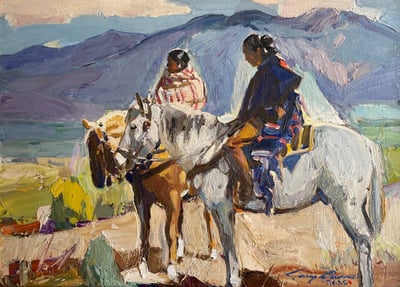
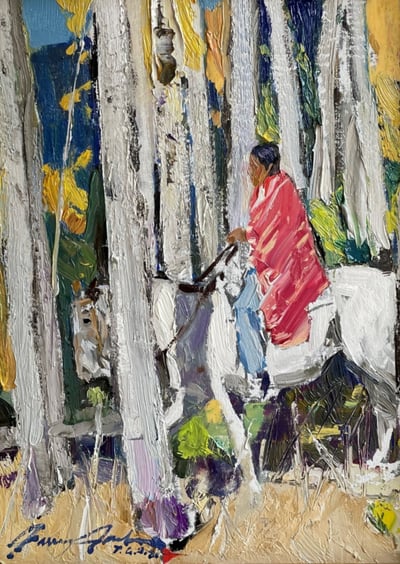
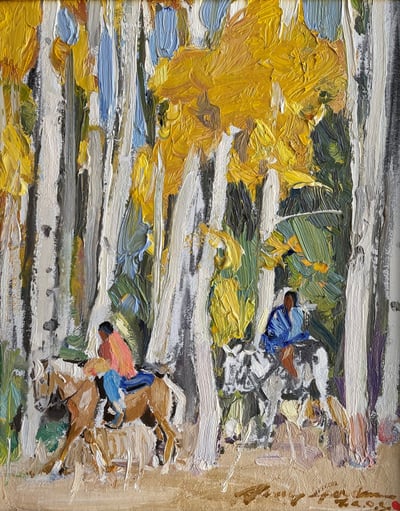
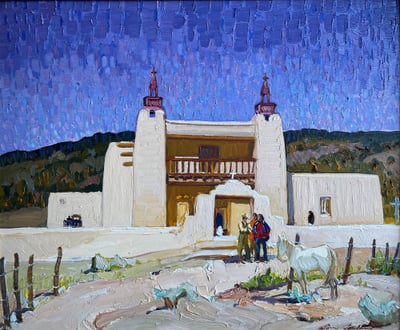
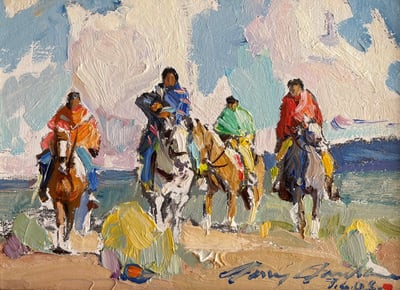
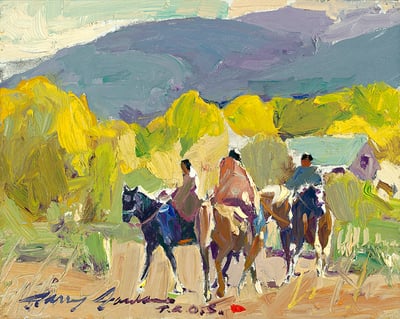
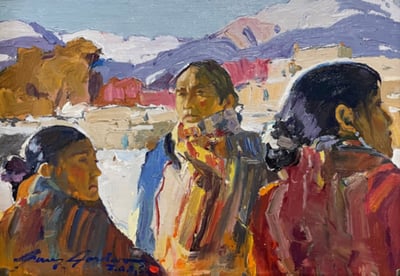
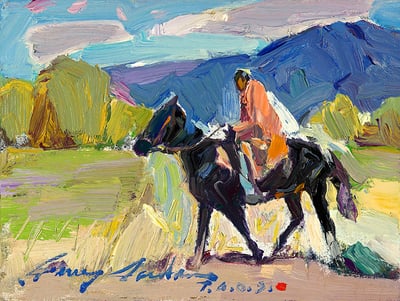
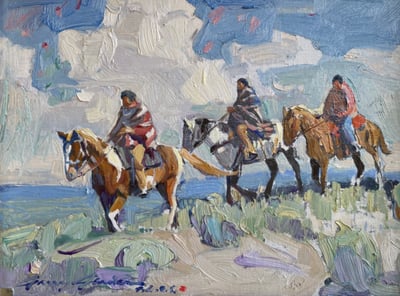
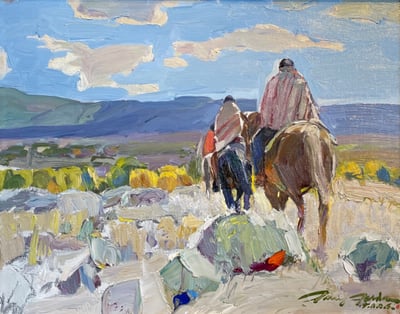
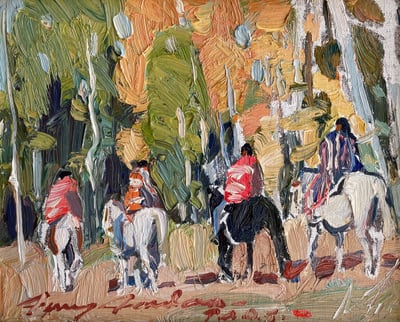
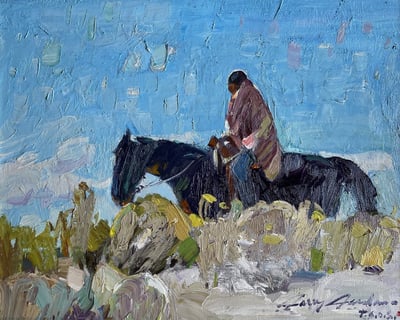
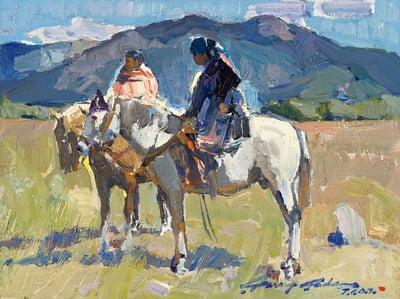
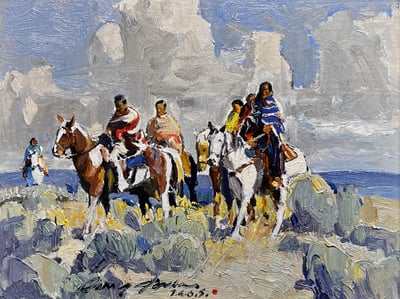
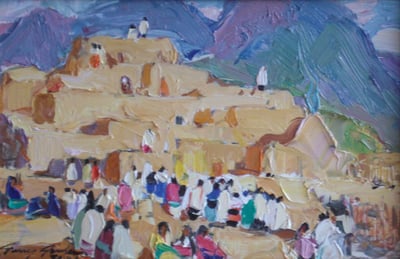
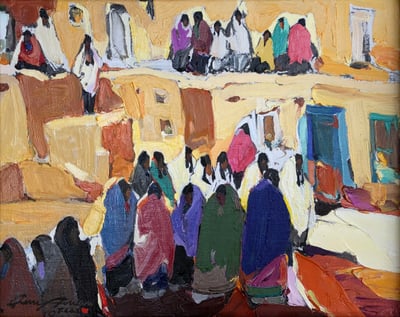
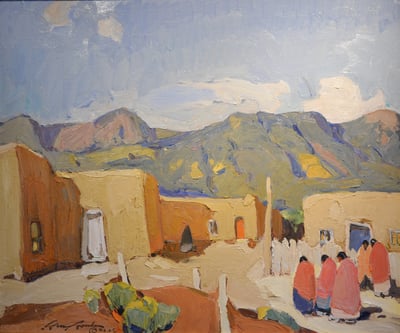
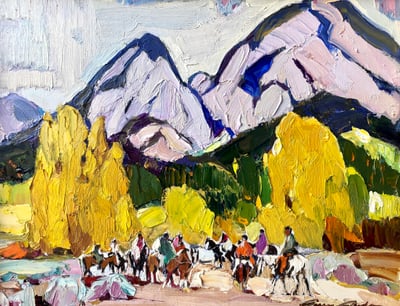
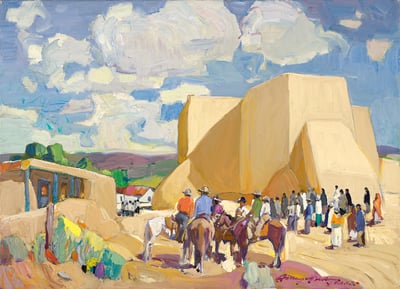
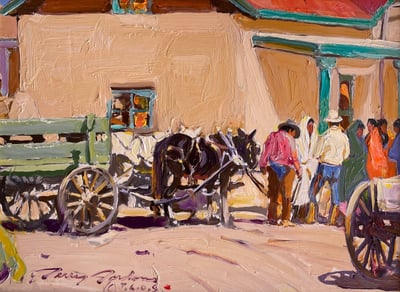
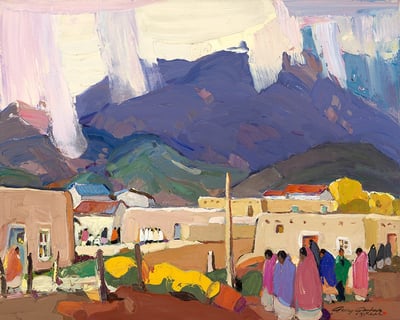
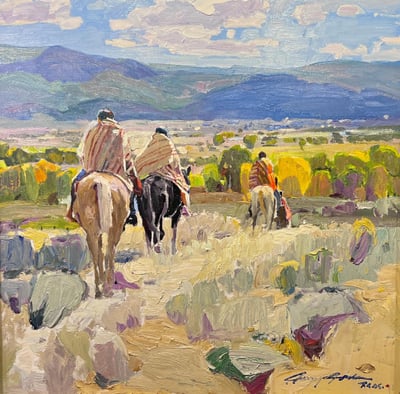
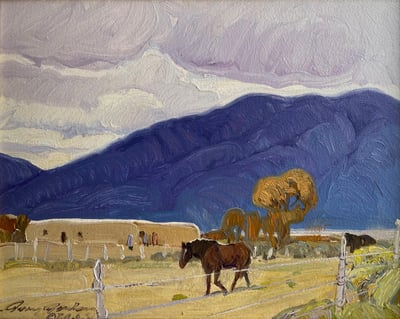
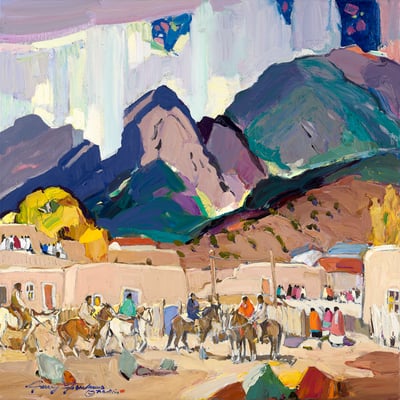
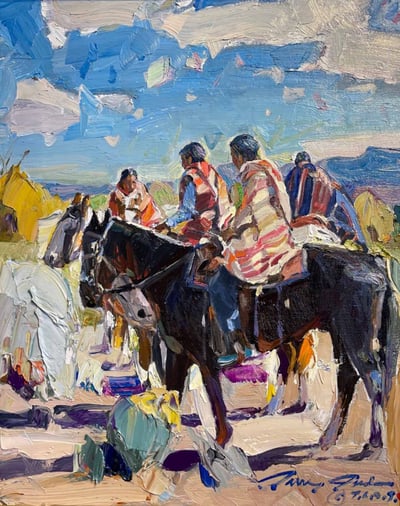
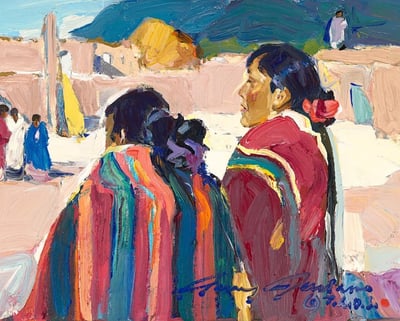
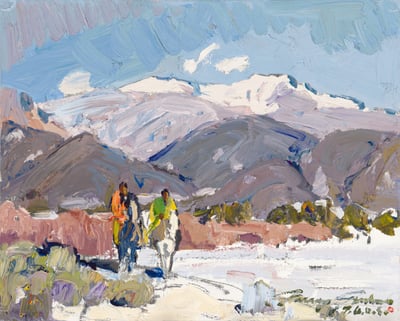
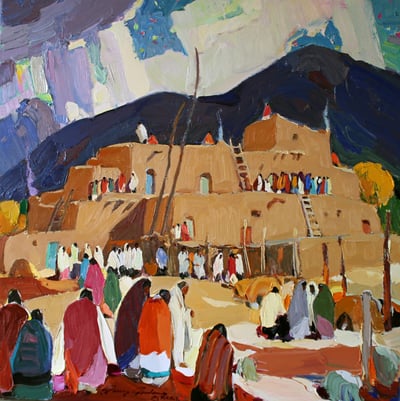
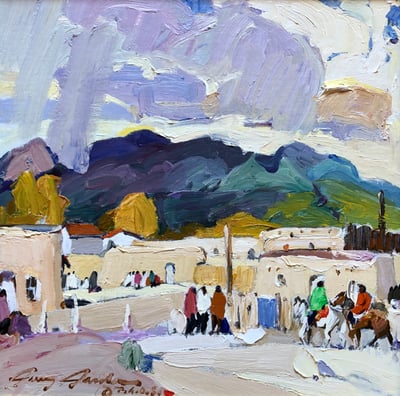
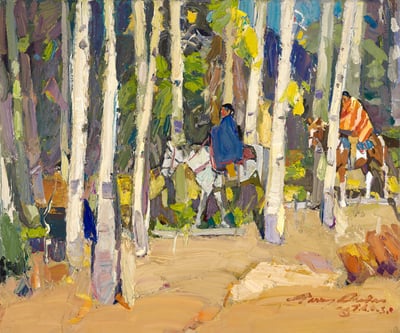
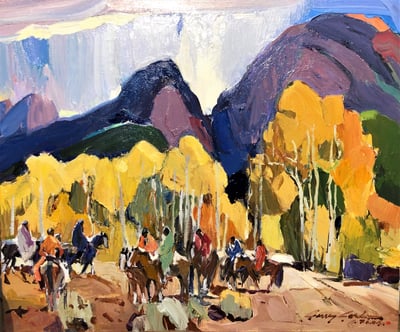
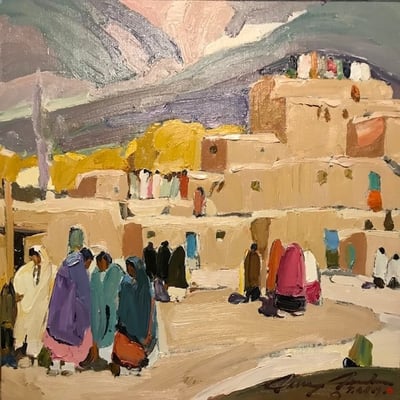
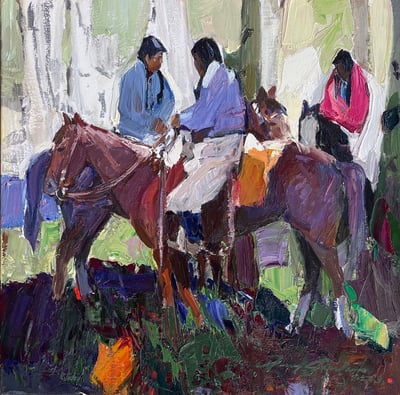
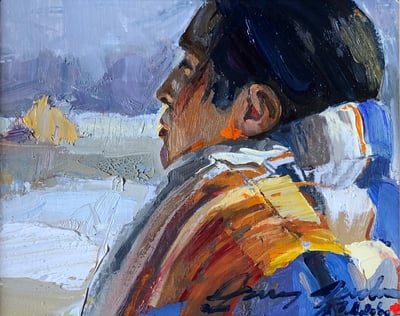
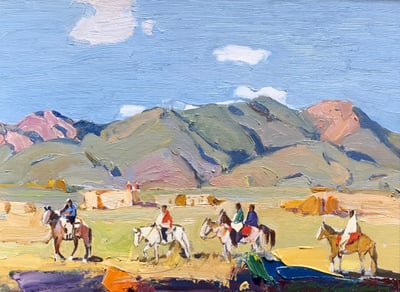
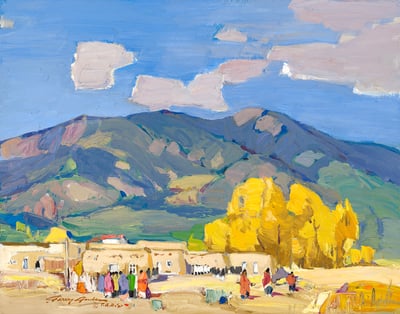
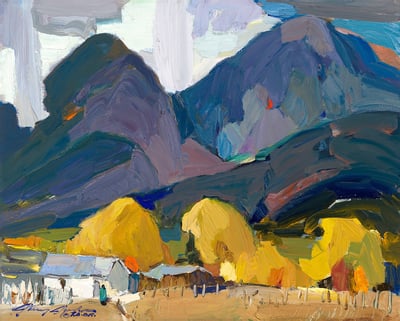
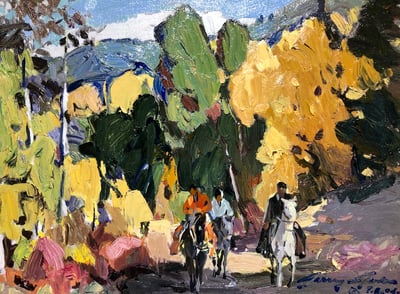
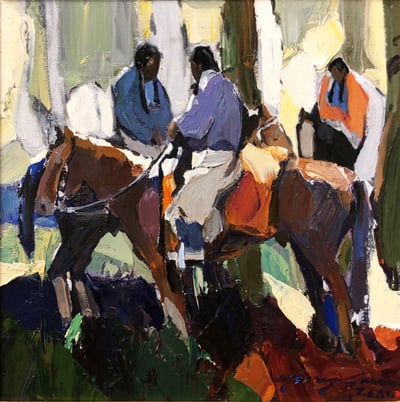
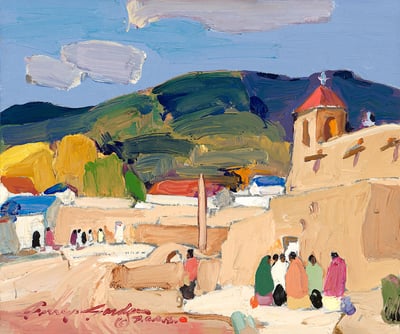
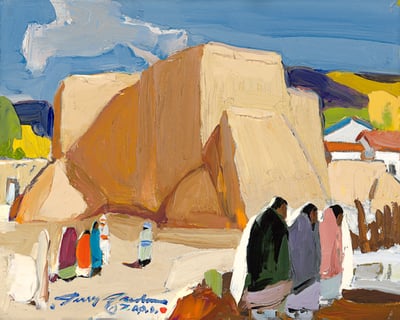
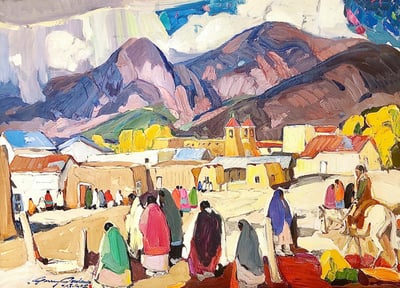
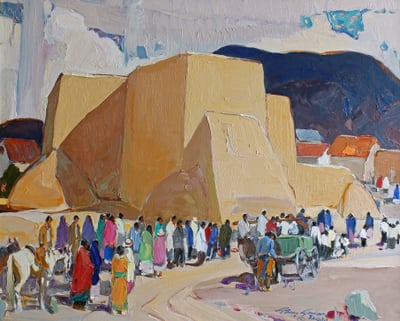
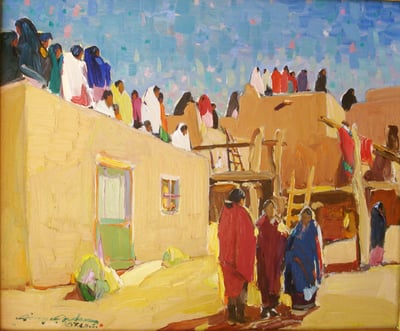
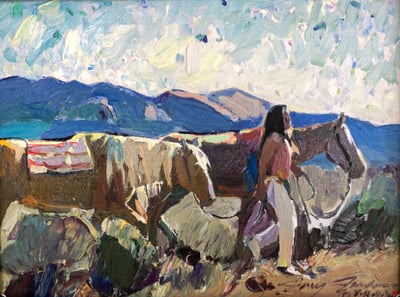
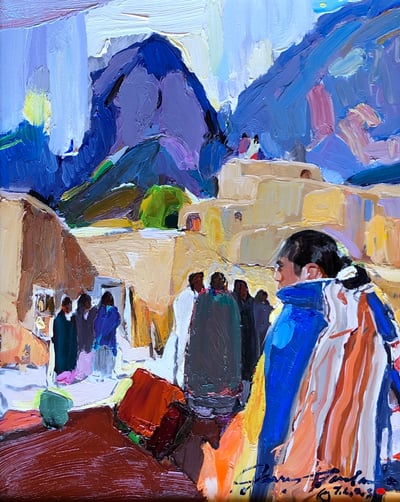
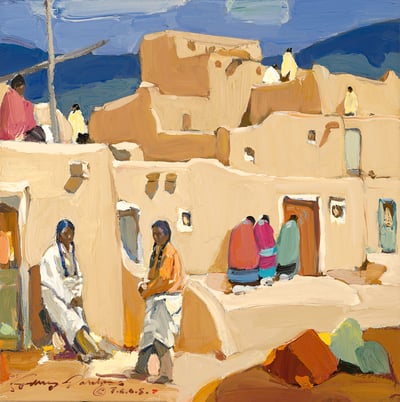
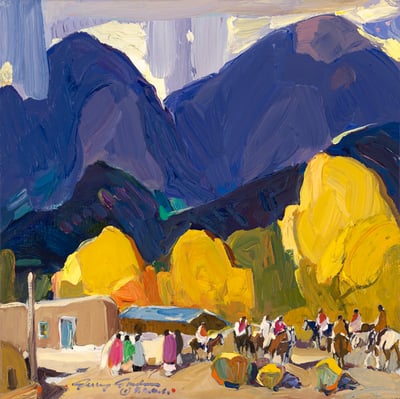
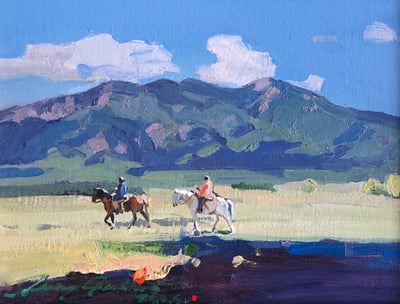
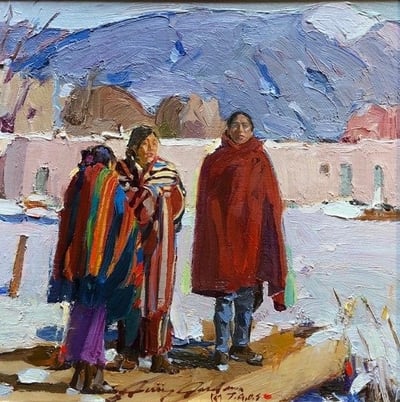
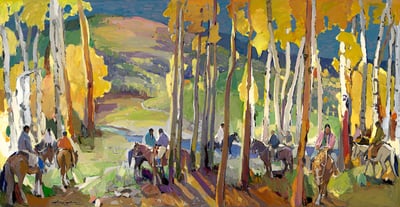
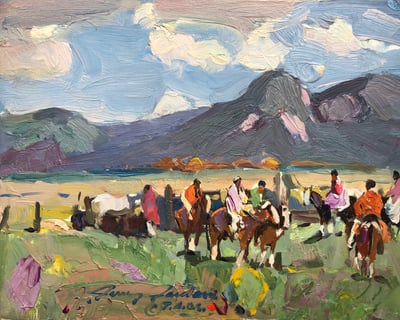
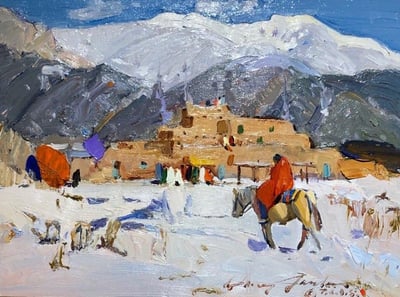
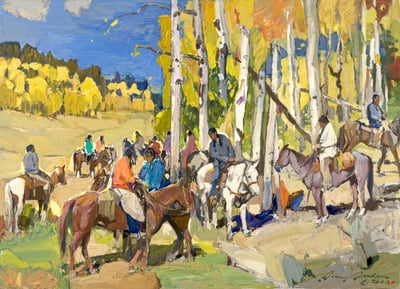
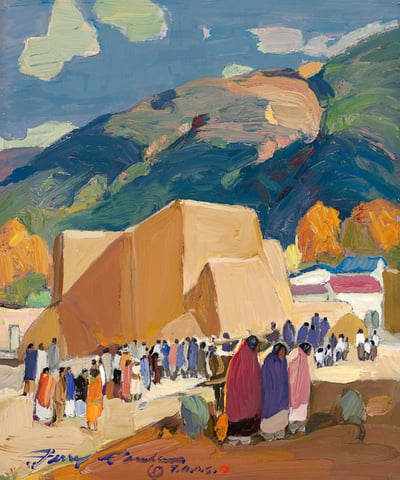
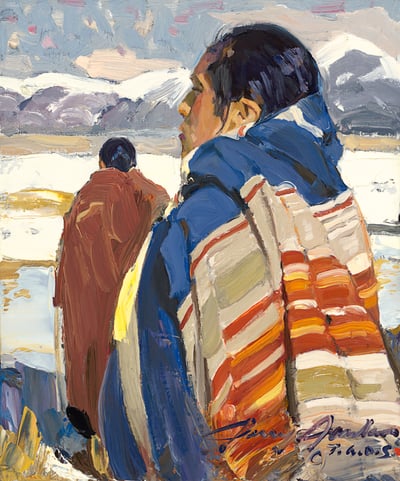
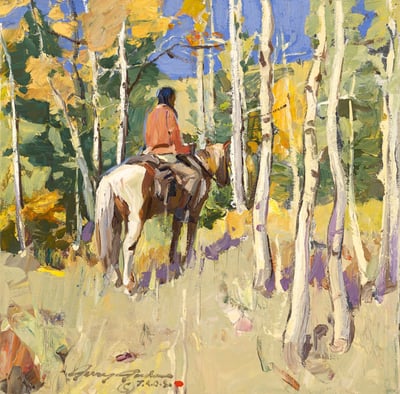
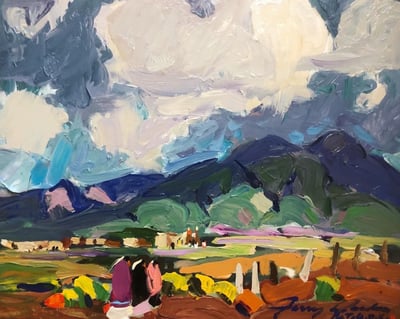
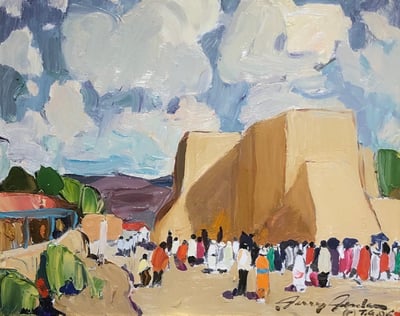
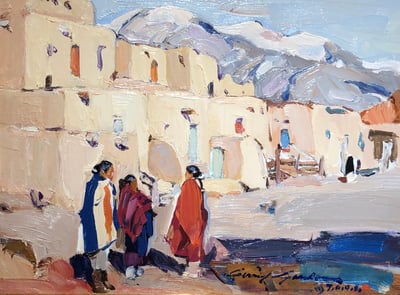
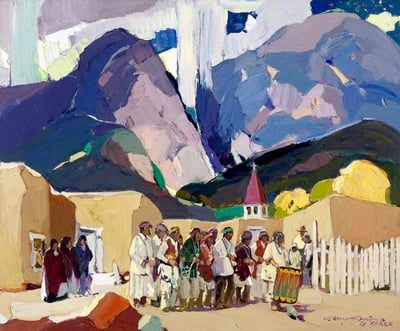
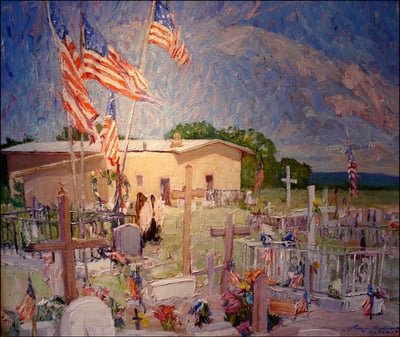
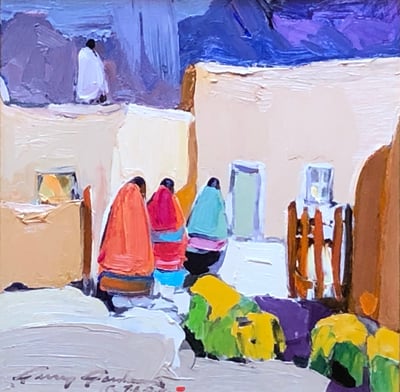
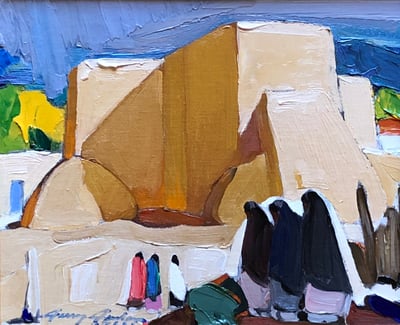
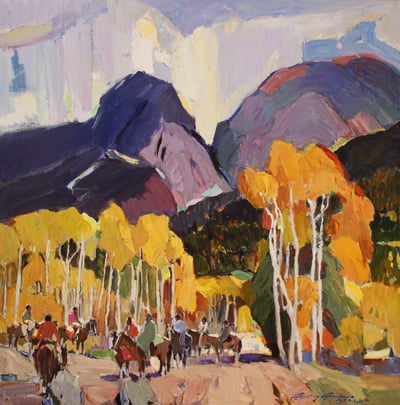
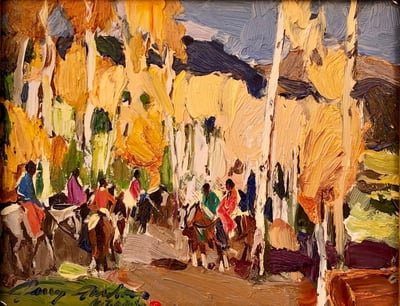
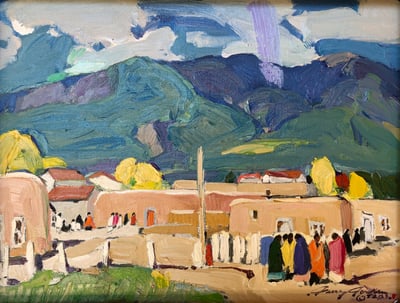
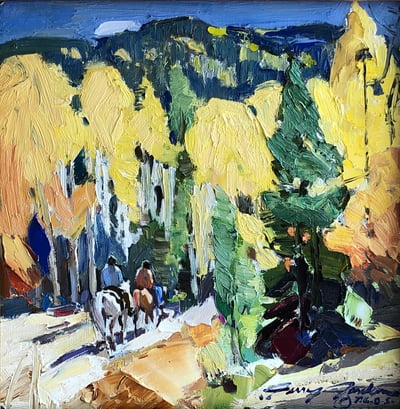
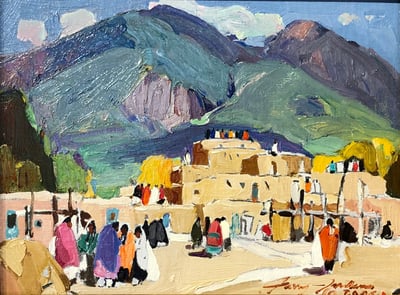
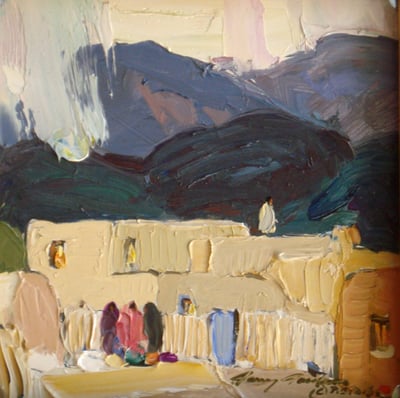
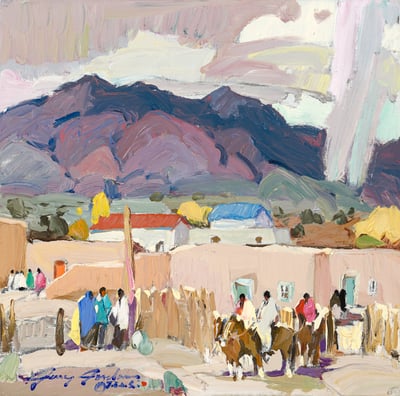
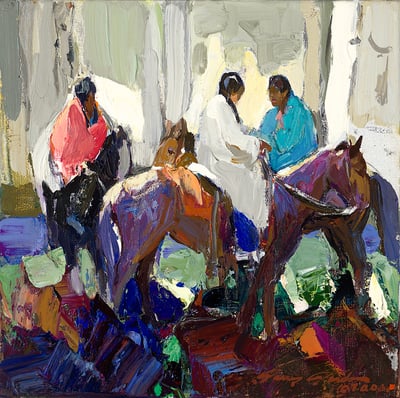
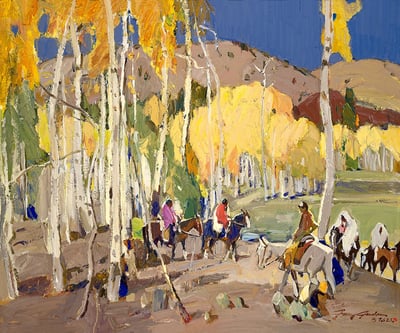
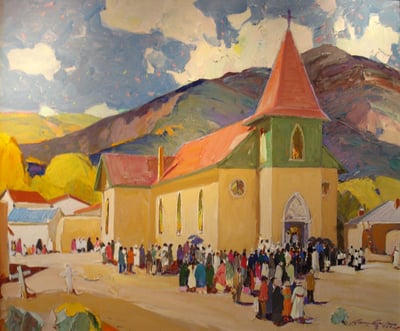
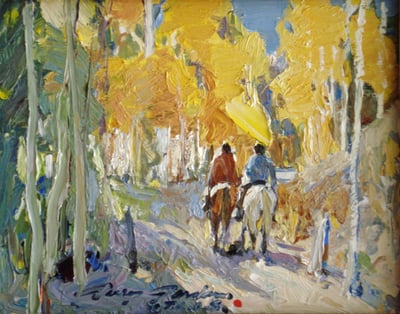
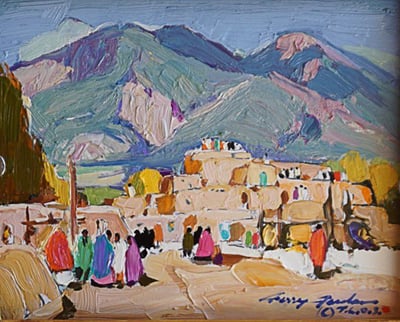
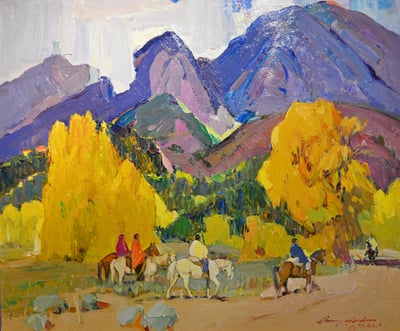
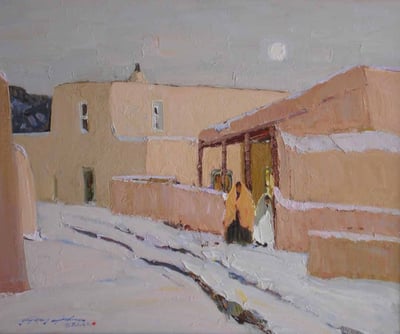
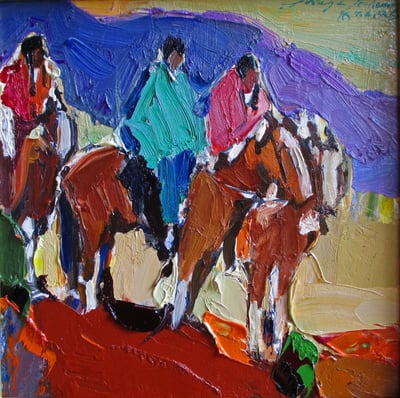
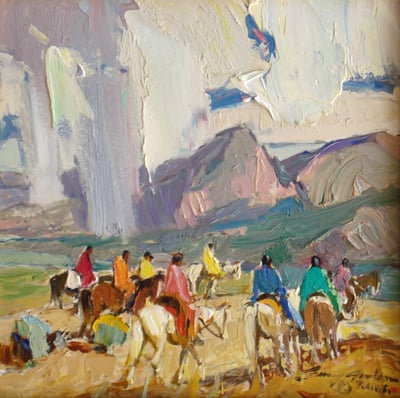
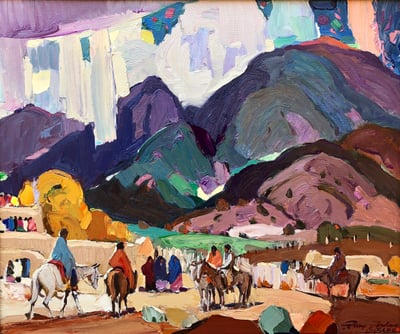
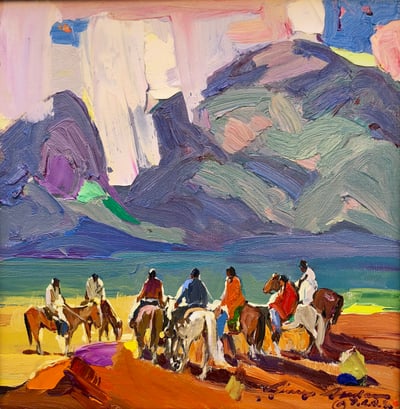
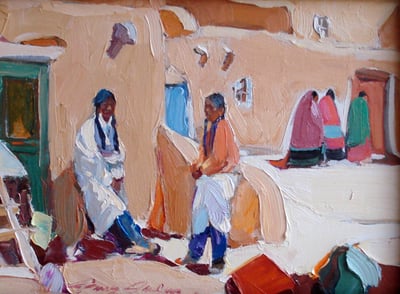
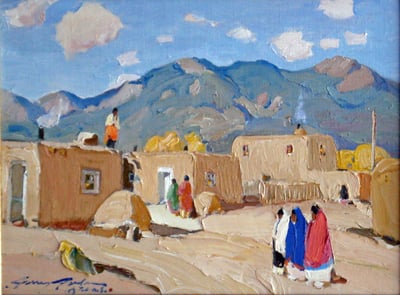
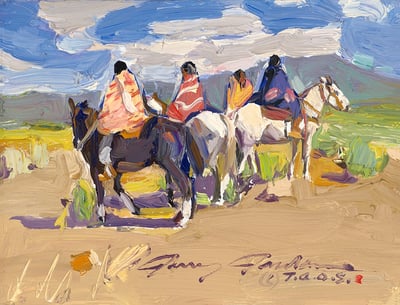
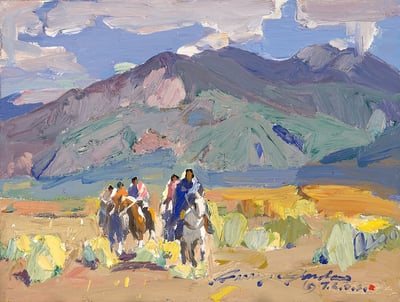
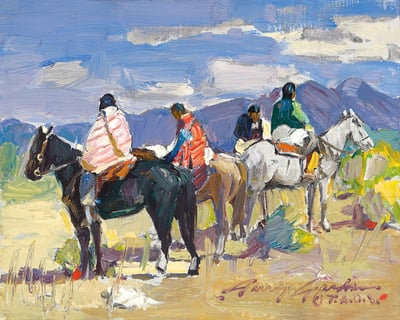
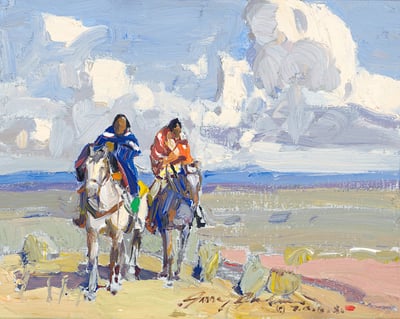
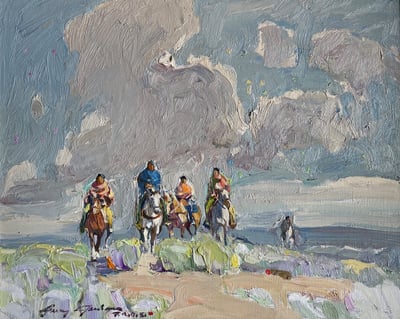
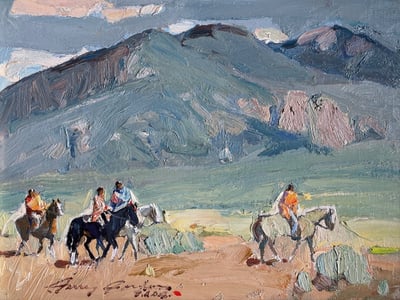
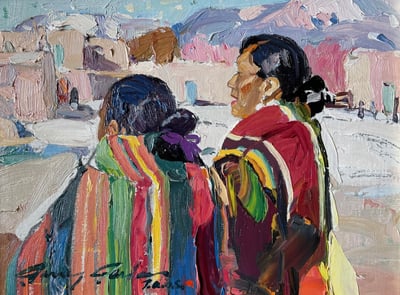
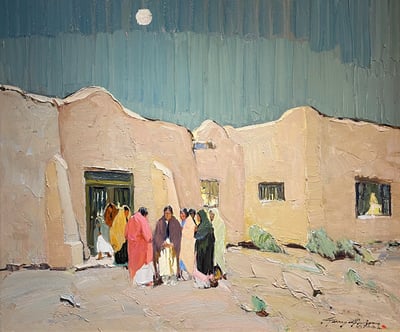
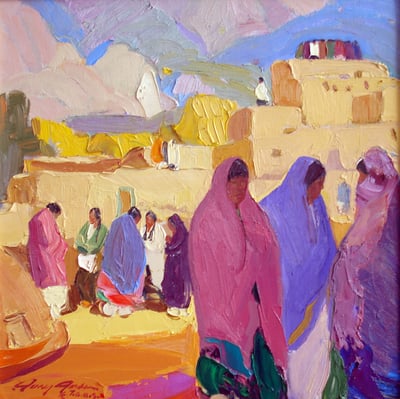
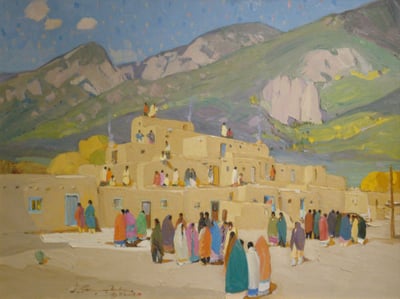
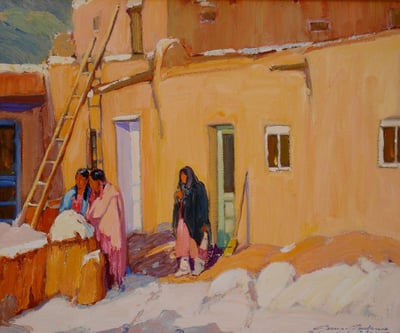
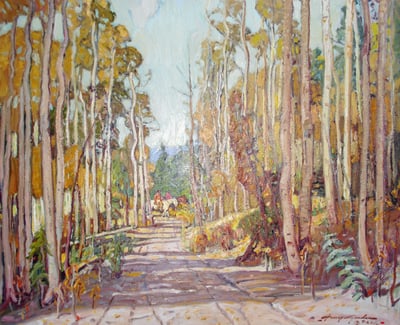
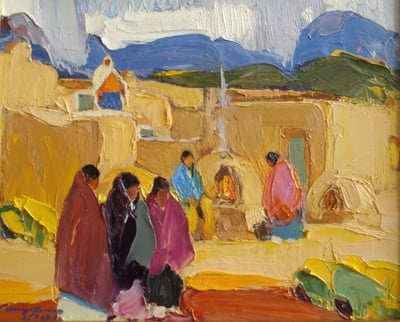
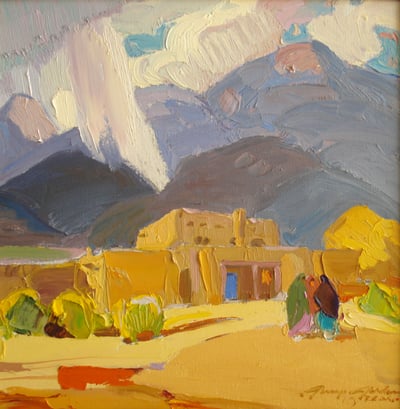
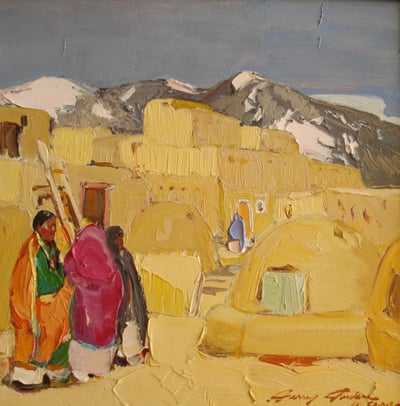
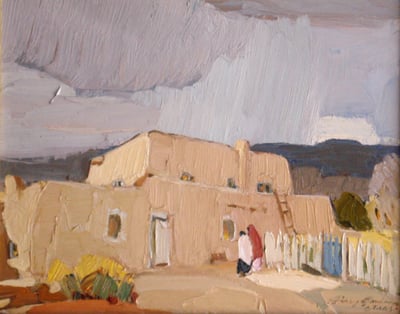
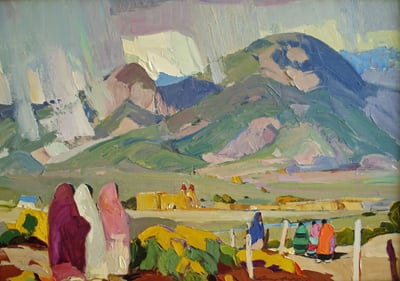
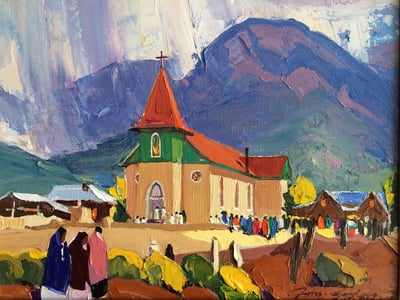
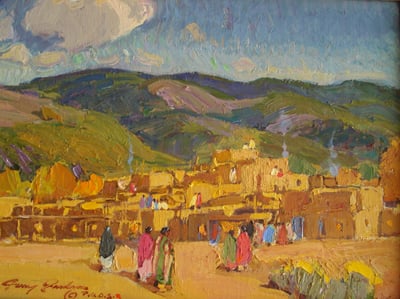
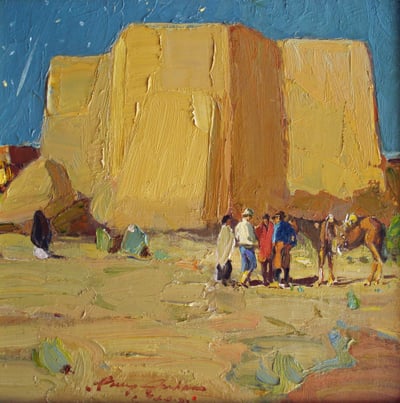
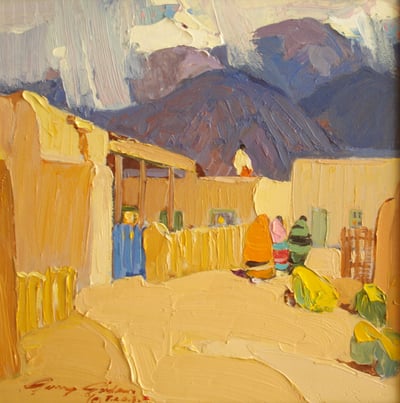
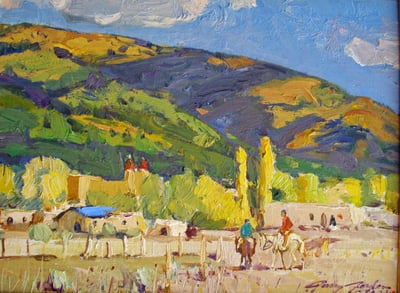
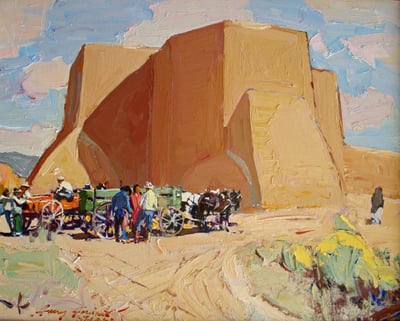
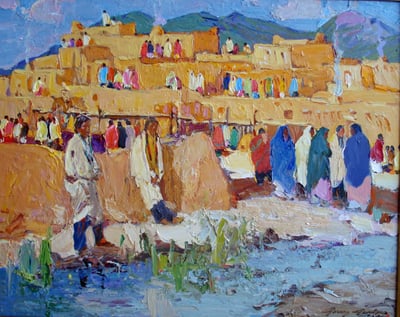
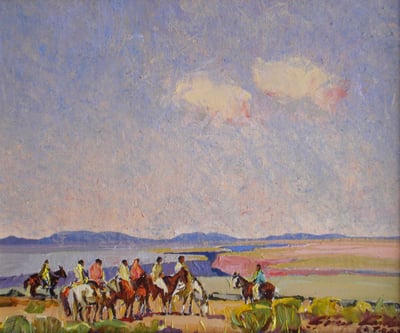
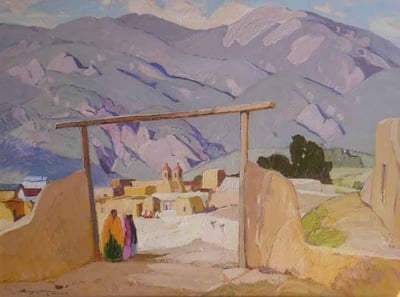
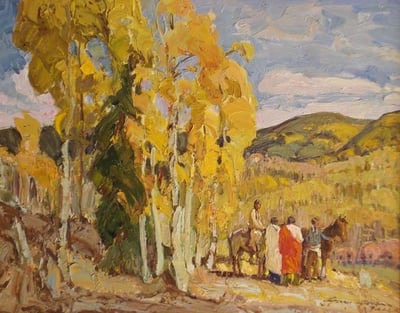
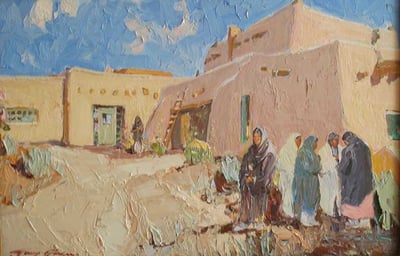
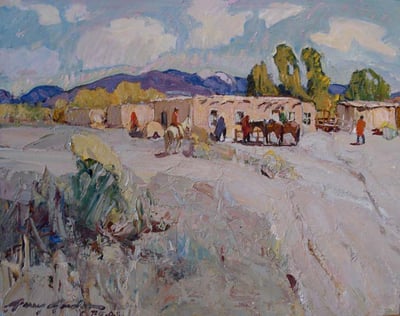
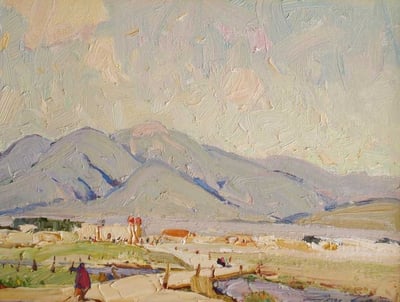
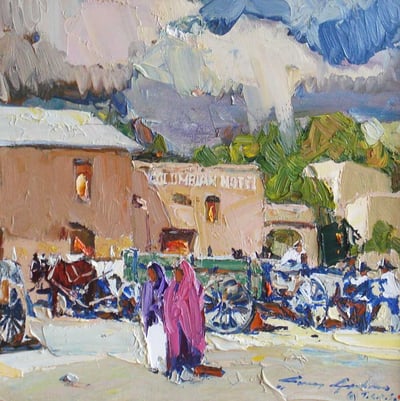
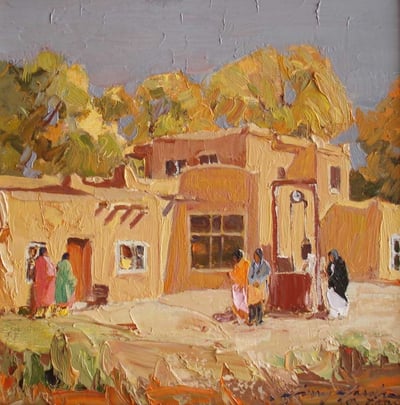
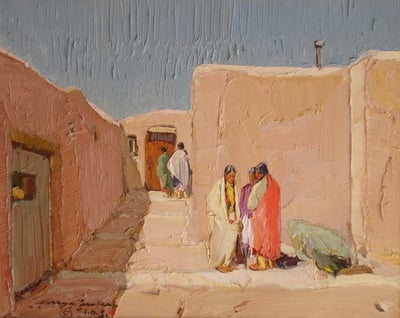
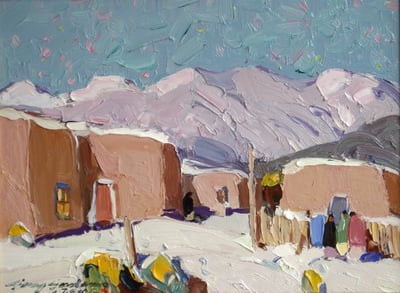
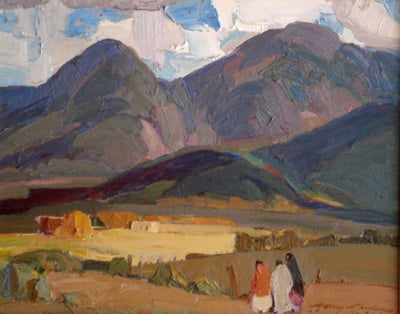
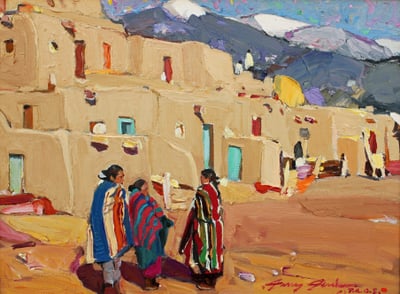
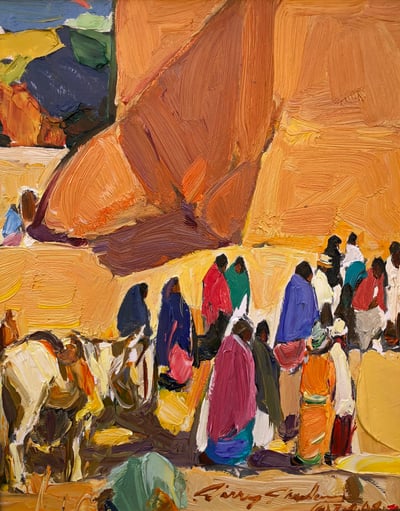
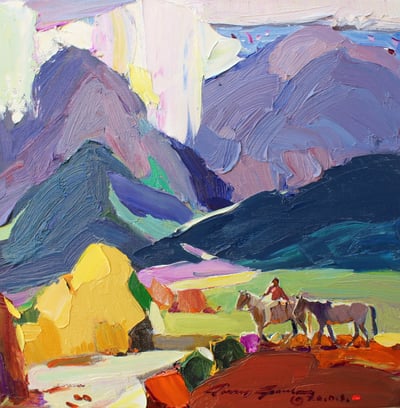
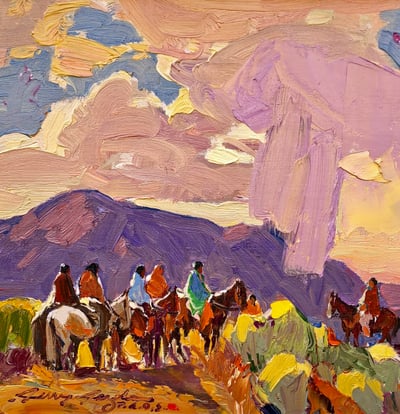
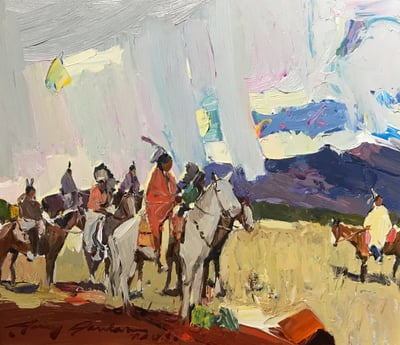
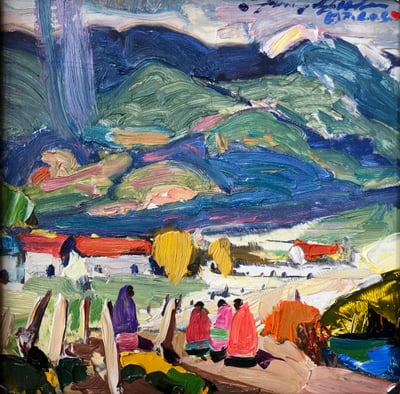
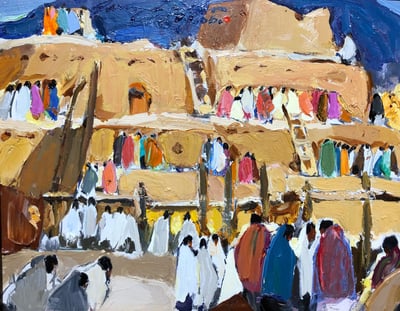
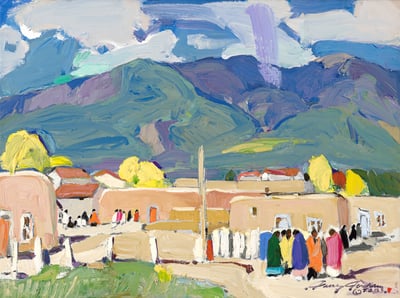
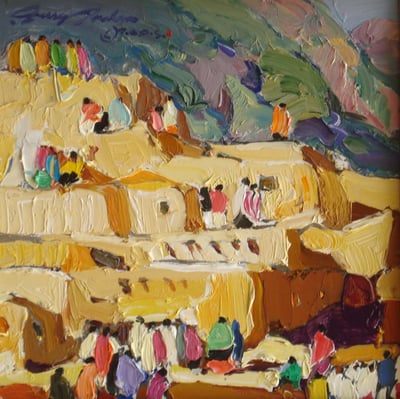
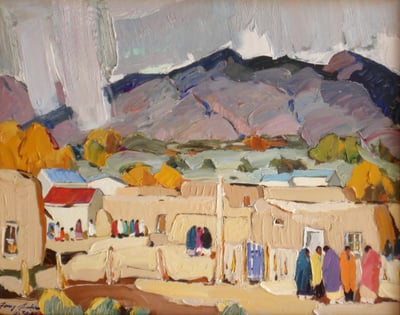
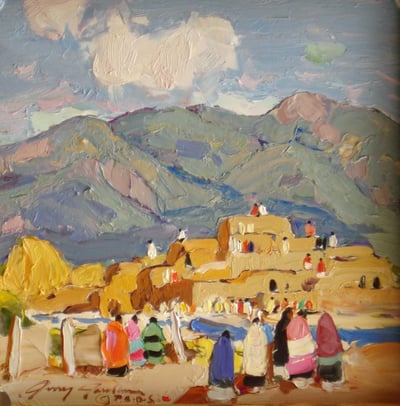
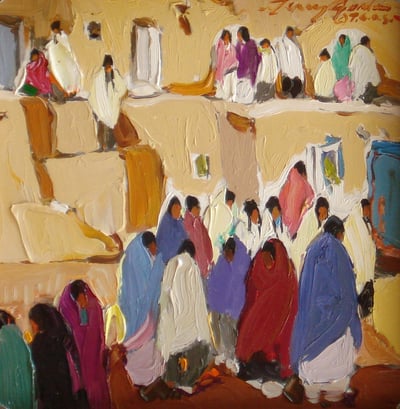
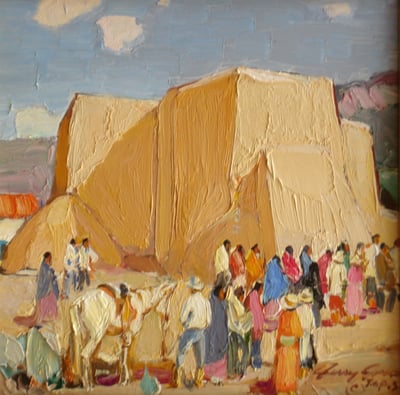
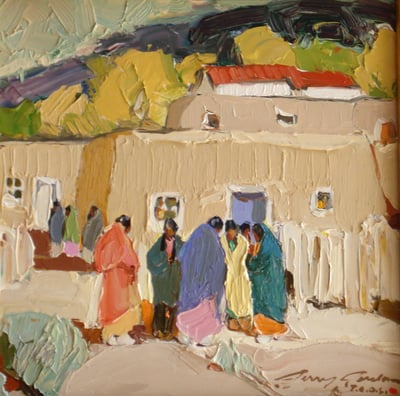
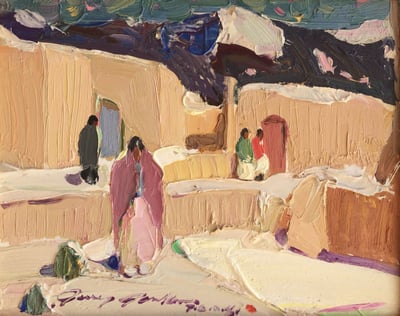
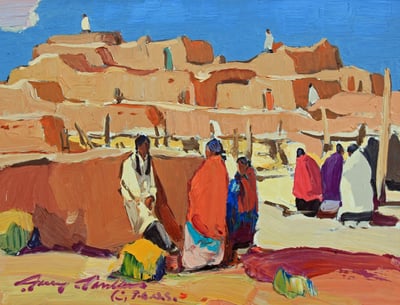
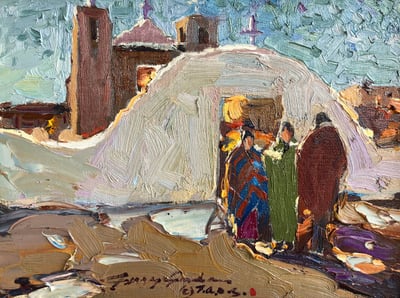
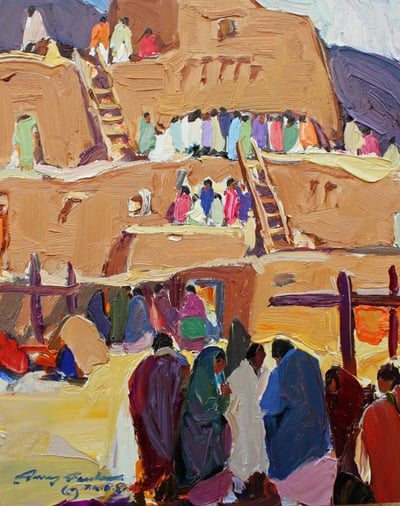
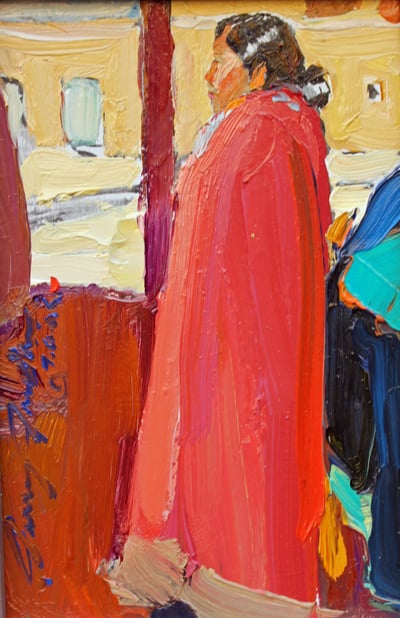
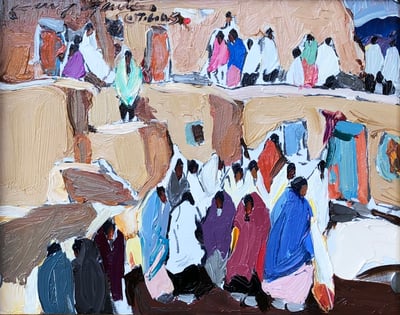
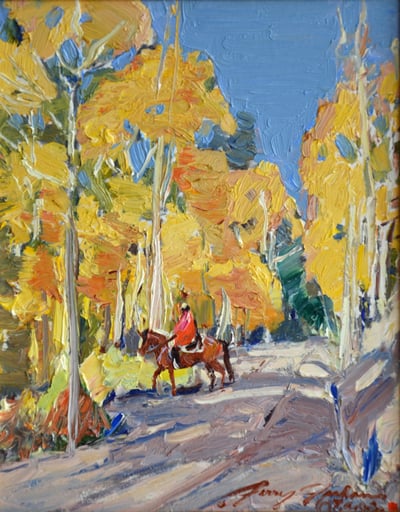
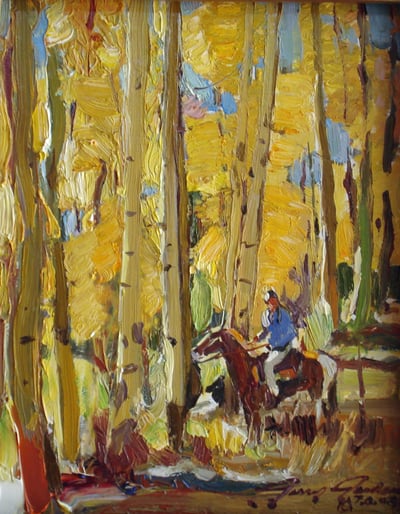
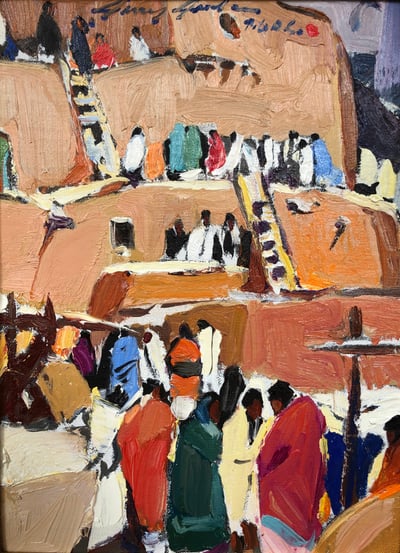
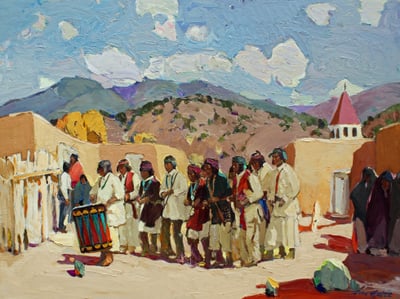
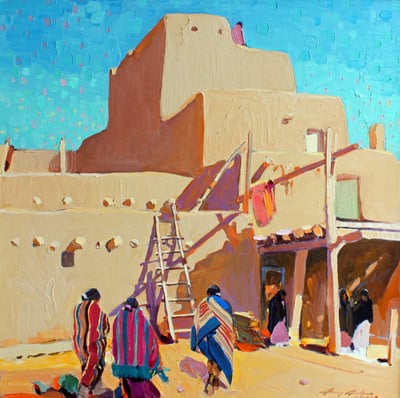
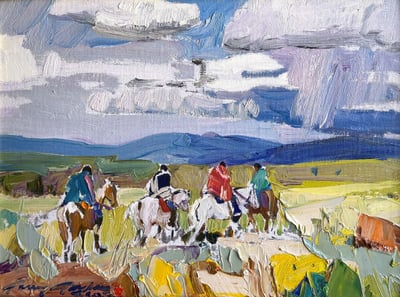
When beholders first encounter a Jordan painting, they are instantly transported across time, often questioning whether the piece is of historic or contemporary origin due to its timeless essence. As a primarily self-taught artist, Jordan is a colorist, eliciting a strong visceral response from viewers through his well-thought-out palette and lively brushwork. Jordan’s artistry, rooted in the vibrant landscapes and rich cultural tapestry of Taos, invites the onlooker with each brushstroke to step alongside the artist on a path of discovery and wonder.
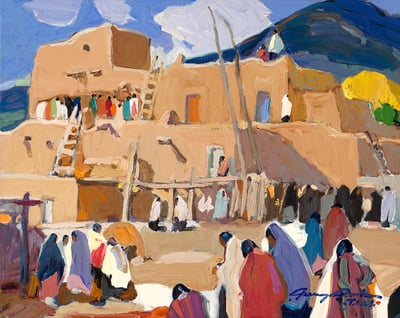
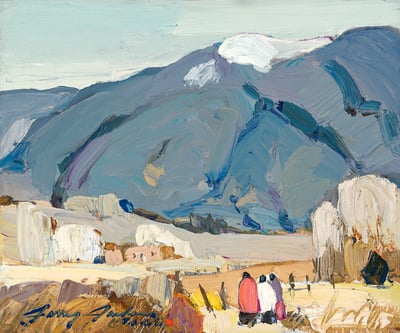
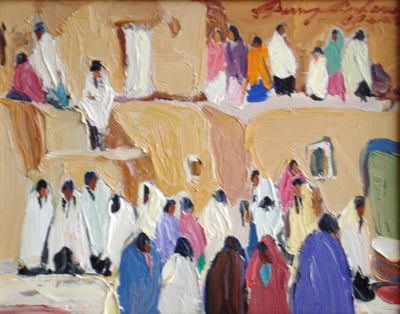
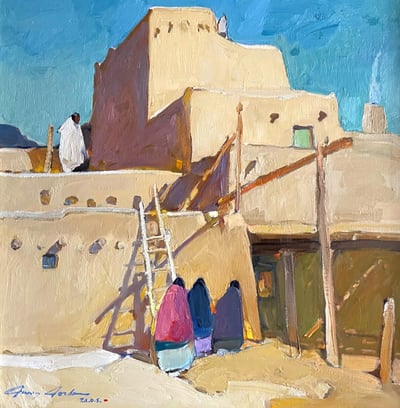
His deep connection with Northern New Mexico's breathtaking landscapes, extraordinary architecture, and rich Pueblo culture has led him to make Taos his permanent residence and artistic muse. The spiritual dimension of Jordan's work is palpable in his depictions of Pueblo life and the surrounding landscape, which serve as a canvas for both modern and historic narratives in Taos. His signature on each painting, 'T.A.O.S.'—an acronym for 'Together Always Our Spirit'—encapsulates the communal and enduring spirit that his art embodies. For Jordan, painting transcends mere artistic expression—it is an act of devotion, a prayerful practice through which he seeks to uncover and convey the intrinsic truth and beauty of the world. He approaches his art with a sense of divine guidance, allowing intuition to lead his creative process, transforming each canvas into a sacred offering of gratitude.
Jerry Jordan’s artistic journey is a rich tapestry woven from diverse threads of experience and inspiration. Born on May 4, 1944, in West Texas to a farming family steeped in Pentecostal traditions, Jordan’s early life was filled with the melodies of church music. At the age of 13, a simple paint-by-numbers set gifted by his mother sparked the flame of creativity, leading to his first original works.
The transformative summer of 1963 saw Jordan’s first encounter with Taos, where the early 20th-century Taos masterpieces adorning the Kachina Lodge walls unveiled the region’s splendor through an artist’s eyes. Yet, Jordan’s path was not one of linear pursuit; a decade-long interlude saw him embrace a singing career, achieving national acclaim with his comedic monologue, “A Phone Call from God,” which soared to the top of the Billboard charts in June 1975. His unique blend of humor and melody earned him the prestigious “Comic of the Year Award” from the Billboard Country Music Awards in 1976.
Returning to his artistic roots, Jordan’s current works are a testament to the enduring influence of the Taos masters. His canvases burst with life, rich textures, and vivid colors that not only depict the Taos landscapes and Pueblo life but also encapsulate the very essence of Taos. Through his masterful coloration and dynamic brushwork, Jerry Jordan invites viewers into a world where every image is a living, breathing entity, resonating with the spirit of its creator. Jordan’s biography is a narrative of passion rediscovered, a continuous homage to the beauty that first captured his heart.
Currently Available
Past Works